Condensation vs. Roof Leak: How to Tell the Difference
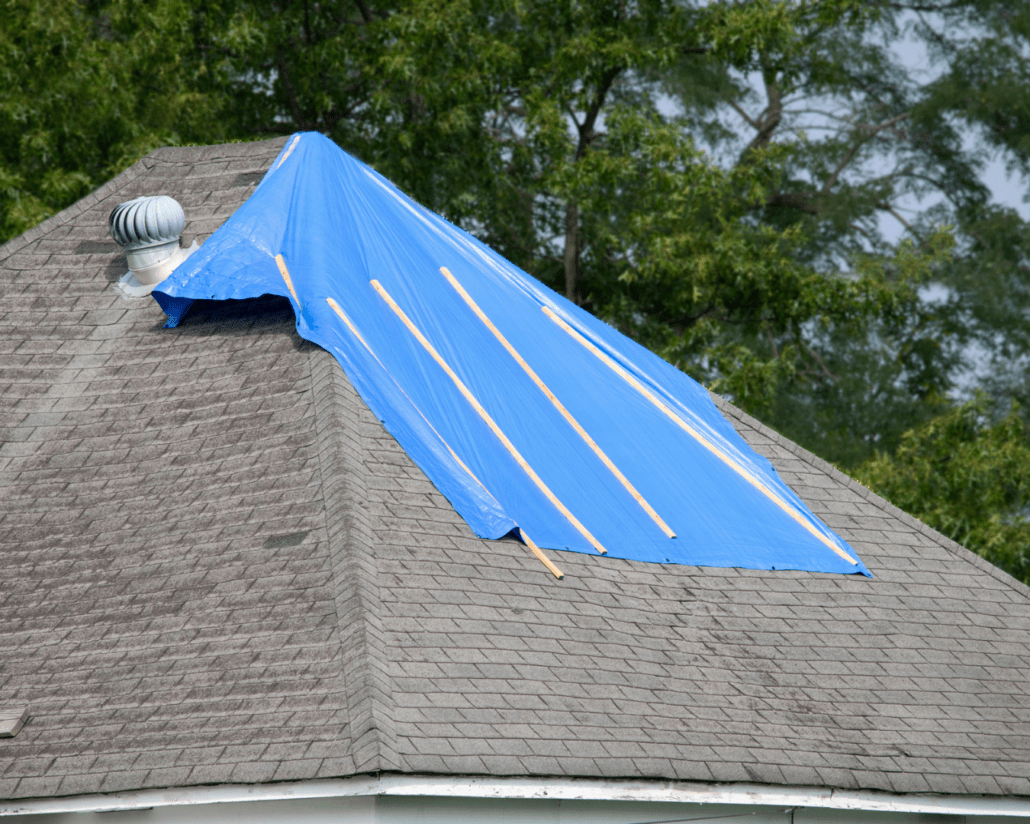
If you notice water stains on your ceiling, damp insulation in the attic, or moisture on rafters, your first thought is probably: My roof is leaking. But not all moisture problems come from roof damage.
In Upstate South Carolina, especially during the colder months, condensation can mimic the signs of a roof leak. Knowing the difference can save you stress, prevent unnecessary repairs, and protect your home from long-term damage.
Why Moisture Appears in Winter
During winter, warm air from inside your home rises into the attic. When that warm, moist air meets cold roof decking, condensation forms, similar to how water droplets form on a cold drink. This moisture can drip onto insulation, rafters, and ceilings, making it look like your roof is leaking.
Meanwhile, actual roof leaks can also appear during winter due to damaged shingles, flashing issues, or storm damage. That’s why it’s important to understand the differences.
Signs You May Have Condensation
Condensation problems usually develop gradually and are tied to airflow and humidity issues.
Common signs include:
- Moisture on rafters or roof decking
• Frost forming inside the attic on cold mornings
• Damp or compressed insulation
• Musty odors in attic spaces
• Mold or mildew growth
• Water spots that appear after cold nights but not necessarily after rain
Condensation often appears even when it hasn’t rained, which is a key clue.
Signs You May Have a Roof Leak
Roof leaks are usually related to weather events or roofing system damage.
Watch for these indicators:
- Water stains that worsen after rainstorms
• Dripping water during orimmediately after rainfall
• Missing, cracked, or lifted shingles
• Damaged flashing around chimneys or vents
• Soft spots in the ceiling or walls
• Wet insulation directly beneath a specific roof area
Unlike condensation, leaks tend to worsen during wet weather.
Why Condensation Happens
Condensation is usually caused by excess moisture and poor attic ventilation.
Common causes include:
- Inadequate attic ventilation
• Blocked soffit or ridge vents
• Bathroom or dryer vents exhausting into the attic
• Poor insulation allowing warm air to escape upward
• High indoor humidity from cooking, showers, or humidifiers
Without proper airflow, moisture becomes trapped and begins to accumulate.
Why Roof Leaks Occur
Roof leaks often result from damage or aging materials.
Typical causes include:
- Storm or wind damage
• Worn or aging shingles
• Cracked flashing or sealants
• Clogged roof valleys or gutters
• Improper installation or repairs
Even small vulnerabilities can allow water to penetrate your roofing system.
Why Proper Diagnosis Matters
Misidentifying condensation as a leak can lead to unnecessary repairs. On the other hand, ignoring a real leak can result in structural damage, mold growth, and costly interior repairs.
A professional inspection can quickly determine the true source of moisture and recommend the right solution.
How Turn Key Roofing Can Help
At Turn Key Roofing, we provide thorough inspections for homeowners across Anderson, Greenville, Clemson, Easley, and surrounding Upstate communities. We provide honest answers and clear recommendations so you can make informed decisions about your home.
Don’t Ignore Moisture in Your Home
Whether the cause is condensation or a roof leak, moisture inside your home is never something to ignore. Early detection can prevent mold growth, structural damage, and expensive repairs.
If you’ve noticed water stains, damp insulation, or attic moisture, Turn Key Roofing is here to help.
Schedule your free roof inspection today and get peace of mind knowing your home is protected.