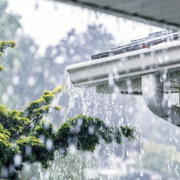
Storm Damage Checklist: What to Do After a Big Weather Event

Severe weather is a fact of life in Upstate South Carolina. Heavy rain, strong winds, hail, and falling tree limbs can roll through quickly, and once the storm passes, homeowners are often left wondering: Is my roof okay?
At Turn Key Roofing, we respond to storm damage calls year-round. Many of the most expensive repairs we see start with small issues that went unnoticed after a big weather event. This checklist will help you protect your home, spot potential problems early, and know when it’s time to call a professional.
Step 1: Prioritize Safety First
Before inspecting anything, make sure conditions are safe.
Do not:
- Climb onto the roof
- Walk near downed power lines
- Inspect during high winds, lightning, or wet conditions
Instead, start with a ground-level inspection and work your way inside. Roof damage can usually be spotted without ever stepping foot on the roof.
Step 2: Look for Visible Roof Damage From the Ground
After storms with wind or hail, shingles and roofing materials often show visible signs of stress.
From the yard or driveway, look for:
- Missing or lifted shingles
- Shingles that appear cracked, curled, or uneven
- Dark patches or exposed areas on the roof
- Debris sitting in roof valleys or along edges
If you see anything out of place, it’s a strong indicator that your roof needs a closer look.
Step 3: Check Gutters, Downspouts, and Siding
Storm damage doesn’t stop at shingles. Gutters and siding often take the brunt of heavy rain and wind.
Inspect for:
- Dented, bent, or pulling-away gutters
- Gutter overflow or water stains along the fascia
- Granules collecting in gutters or at downspout exits
- Loose siding panels or trim
Granules in gutters are especially important; they often signal shingle wear or hail impact.
Step 4: Inspect the Attic and Interior Spaces
Some of the most serious storm damage isn’t visible outside.
Inside your home, check:
- Attic insulation for damp spots
- Ceiling stains or discoloration
- Dripping, musty smells, or increased humidity
- Warped drywall or bubbling paint near ceilings
Even a small water stain can point to a roof leak that will worsen with the next storm.
Step 5: Remove Loose Debris Carefully
If branches or debris landed on your roof or gutters:
- Remove what you can safely reach from the ground
- Avoid dragging debris across shingles
- Do not attempt to cut or remove heavy limbs resting on the roof
Dragging branches across shingles can scrape away protective granules and shorten the roof’s lifespan.
Step 6: Document Any Damage You See
Clear photos can make a big difference later, especially if insurance is involved.
Take pictures of:
- Roof areas that look damaged
- Fallen branches or storm debris
- Interior water stains or leaks
- Damaged gutters or siding
This documentation helps roofing professionals assess damage and supports insurance claims if needed.
Step 7: Schedule a Professional Roof Inspection
Some storm damage is impossible to spot without trained eyes. Lifted shingles, flashing issues, and small punctures often go unnoticed until leaks develop weeks or months later.
A professional inspection can identify:
- Hidden storm damage
- Early leak risks
- Compromised flashing or vents
- Gutter and drainage issues
- Areas vulnerable to future storms
Why Storm Inspections Matter in Upstate South Carolina
Our region faces unique weather challenges:
- Sudden wind gusts
- Heavy rainfall
- Dense tree coverage
- Seasonal hail
- Freeze-thaw cycles during colder months
Even storms that don’t seem severe can weaken roofing materials over time. Catching damage early often prevents costly repairs down the road.
Turn Key Roofing Is Here When the Storm Passes
At Turn Key Roofing, we offer FREE roof inspections for homeowners in Anderson, Greenville, Easley, Clemson, and surrounding Upstate communities. Our team provides honest assessments, clear explanations, and no-pressure recommendations.
Whether you need repairs or just peace of mind, we’re here to help you protect your home.
Contact Turn Key Roofing today to schedule your free inspection and make sure your roof is storm-ready for whatever comes next.