What South Carolina’s Drought Could Mean for Your Roof and Home
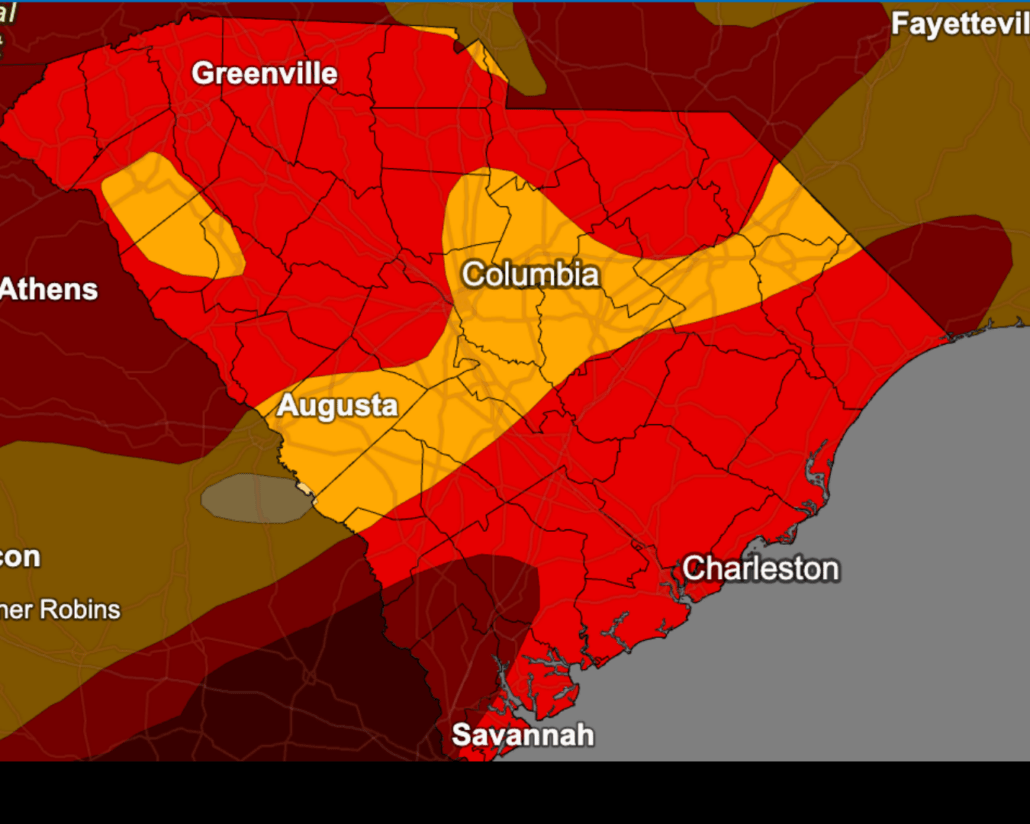
If your yard has been looking dry lately, you are not imagining it. South Carolina is currently experiencing some of the driest conditions the Southeast has seen in years, and the effects are being felt all across the Upstate.
According to recent drought updates, nearly all of South Carolina is now experiencing drought conditions, with much of the state falling into severe or extreme drought categories. Experts say the Southeast has experienced record dry conditions stretching back to late 2025.
While most people think about drought affecting lawns, farms, or wildfire risk, many homeowners do not realize prolonged dry conditions can also impact their roof and home.
At Turn Key Roofing, we’ve been seeing how the combination of heat, dry weather, wind, and sudden storms can put extra stress on roofing systems across Anderson, Greenville, Clemson, Easley, and surrounding Upstate communities.
South Carolina’s Drought Is More Serious Than Many Realize
Recent reports show more than 97% of South Carolina is currently experiencing drought conditions, with worsening wildfire concerns across the state.
The Southeast has also seen major rainfall deficits over the past several months, with some areas recording one of their driest stretches on record dating back more than 100 years.
Dry conditions have become so severe that burn bans and wildfire alerts have been issued across parts of the region due to elevated fire danger.
For homeowners, these conditions can quietly create new problems for roofs, gutters, and attics.
How Drought Conditions Can Affect Your Roof
Heat and UV Exposure Become More Intense
When dry conditions stick around for long periods, roofs are exposed to more direct sunlight, higher surface temperatures, and prolonged UV exposure.
Over time, this can cause shingles to:
- Dry out faster
- Become brittle
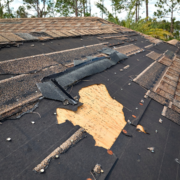
- Curl or crack
- Lose protective granules
- Age prematurely
Older roofs are especially vulnerable during extended hot, dry stretches.
Sudden Storms Can Be Harder on Roofing Materials
One of the biggest problems during drought conditions is what happens when rain finally does arrive.
After months of dry weather, roofing materials may already be stressed from heat and expansion. Then strong spring or summer storms roll through with:
- Heavy rain
- High winds
- Hail
- Rapid temperature changes
That sudden shift can expose weak spots quickly, especially around flashing, vents, gutters, and aging shingles.
Dry Debris Can Build Up Faster
Drought conditions also mean leaves, pine needles, branches, and roof debris dry out much faster.
That buildup can:
- Block roof valleys and gutters
- Trap heat against roofing materials
- Increase moisture problems once rain returns
- Create fire hazards around the home
This is especially important in the Upstate, where many homes are surrounded by pine trees and dense tree coverage.
Wildfire Risks Are Increasing Across the Southeast
South Carolina Public Radio recently reported that worsening drought conditions are increasing wildfire dangers across the state, with forestry officials warning about extremely dry vegetation and elevated fire risk.
Even areas that are not directly affected by wildfires can still experience:
- Smoke exposure
- Falling ash or debris
- Dry airborne particles collecting on roofs and gutters
- Increased outdoor fire hazards near homes
Keeping gutters, roof valleys, and debris-prone areas clean is especially important during dry conditions like these.
Your Attic and Ventilation Matter More During Drought Conditions
When temperatures stay high and rainfall stays low, attic heat can become extreme.
Without proper roof ventilation, trapped heat can:
- Increase energy bills
- Accelerate roof aging
- Cause moisture issues inside the attic
- Stress shingles from underneath
A properly ventilated roofing system helps your home handle heat more efficiently during South Carolina summers.
Signs Your Roof May Be Struggling
Homeowners should watch for:
- Curling or brittle shingles
- Granules collecting in gutters
- Cracked flashing or sealants
- Hot upstairs rooms
- Dry or warped roofing materials
- Debris buildup in gutters and valleys
Small problems can become much bigger once storm season ramps up.
Why Now Is a Good Time for a Roof Inspection
Drought conditions combined with spring heat and storms can create the perfect setup for roof problems to develop quietly.
A professional roof inspection can help identify:
- Heat-related wear
- Weak shingles
- Ventilation concerns
- Drainage issues
- Small storm damage before it worsens
Catching problems early is much easier and less expensive than waiting until leaks appear.
Schedule Your Free Roof Inspection Today
South Carolina’s drought conditions are affecting more than just lawns and landscaping. Your roof may be feeling the impact too.
Contact Turn Key Roofing today to schedule your FREE roof inspection and make sure your home is protected before summer heat and storm season intensify.