The Complete Guide to Wind Damage on Your Roof
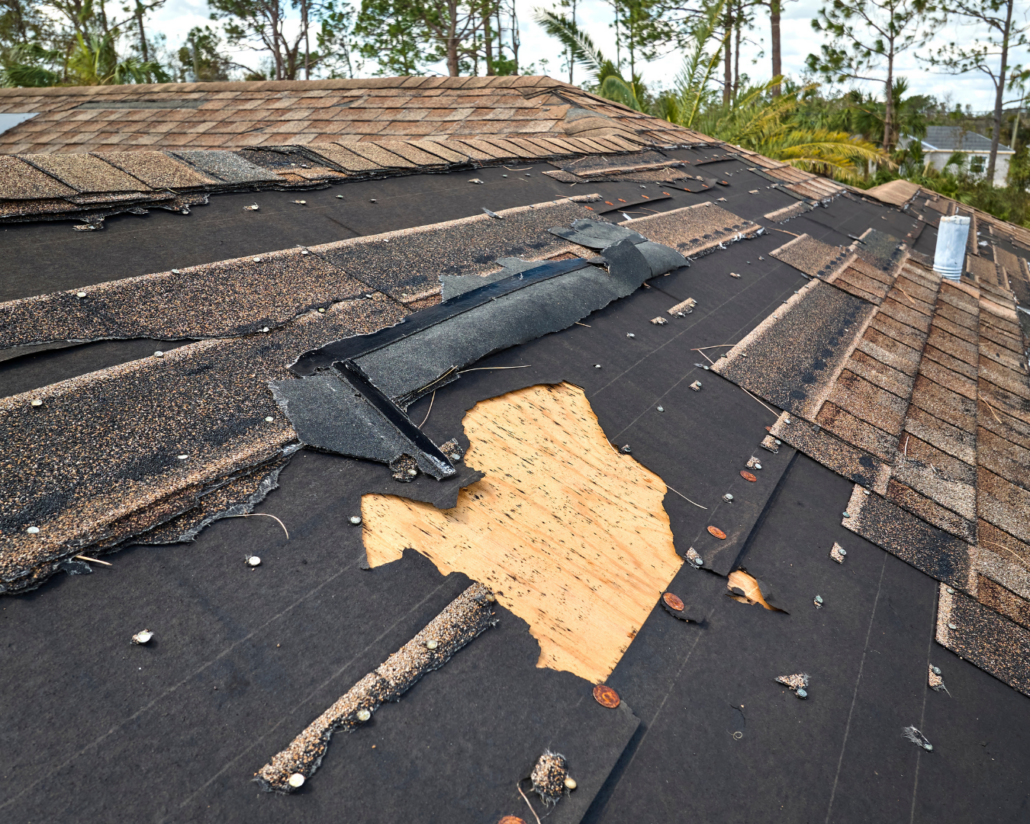
Strong winds can be hard on your home, and your roof often takes the brunt of it.
In Upstate South Carolina, wind damage isn’t limited to hurricanes. Severe thunderstorms, straight-line winds, tropical systems, and other severe weather can all put your roofing system to the test.
The tricky part? Wind damage isn’t always obvious.
A few missing shingles are easy to spot. A lifted shingle, loosened piece of flashing, or damaged roof edge can be much harder to notice. Those smaller problems can still leave your roof vulnerable to water intrusion during the next heavy rain.
This guide explains what wind can do to your roof, what damage looks like, what to do after a storm, and when it’s time to call a roofing professional.
How Does Wind Damage a Roof?
Wind doesn’t always damage a roof by simply blowing shingles away. Strong gusts can create uplift, putting pressure underneath roofing materials and causing shingles to loosen, lift, crease, or detach. Wind can also damage flashing, gutters, vents, fascia, and other components around the roof.
Once part of the roofing system is compromised, rain can find its way underneath the materials. That’s why a roof doesn’t have to look dramatically damaged to have a problem.
What Does Wind Damage Look Like?
Wind damage can range from obvious to surprisingly subtle. Here are some of the most common signs homeowners should know.
Missing Shingles
This is one of the easiest signs to spot. After a major windstorm, you may find shingles in your yard, driveway, gutters, or around your property. You may also notice bare spots on the roof where shingles are missing.
Even one missing shingle leaves the area underneath more exposed to the weather.
Lifted or Loose Shingles
A shingle doesn’t have to completely blow away to be damaged. Wind can lift the edges of shingles or loosen their seals. You may notice shingles that look raised, curled, bent, or uneven compared with the surrounding roof.
These problems can be difficult to identify from the ground, particularly on larger or steeper roofs.
Creased Shingles
Wind can cause a shingle to bend or crease without completely removing it.
A crease can compromise the shingle and create a potential entry point for water. If you notice unusual lines, folds, or bends in your shingles after a storm, it’s worth having a professional take a closer look.
Damaged Flashing
Flashing helps direct water away from vulnerable areas around chimneys, vents, skylights, walls, and other roof penetrations.
Strong winds can loosen or damage flashing, creating openings where water can enter. Because flashing damage isn’t always visible from the ground, it can go unnoticed until a leak appears.
Damaged Gutters and Downspouts
Your gutters can also show signs that your property experienced strong winds.
Look for:
- Bent or detached gutters
- Loose brackets
- Damaged downspouts
- Sections pulled away from the house
- Excessive shingle granules
- Debris collecting around the roofline
Gutter damage can also affect drainage, which becomes especially important when heavy rain follows a windstorm.
Debris on or Around the Roof
Branches, limbs, and other debris can hit roofing materials during high winds.
Even if the roof doesn’t appear to have missing shingles, debris impact can damage individual shingles, flashing, vents, or other components.
If you have large trees near your home, it’s especially important to check the roof after a significant wind event.
Wind Damage Isn’t Always Visible From the Ground
This is one of the biggest reasons homeowners should be cautious about assuming their roof is fine after a storm. You may not see a missing shingle or obvious hole, but that doesn’t mean the roofing system escaped damage.
Wind can loosen materials without completely removing them. Small openings can then allow water underneath the roof during the next heavy rainfall.
Turn Key’s guide on How to Identify Storm Damage on Your Roof covers additional warning signs, including damaged shingles, flashing, gutters, debris, and leaks.
Can Wind Damage Cause a Roof Leak?
Absolutely.
A wind-damaged roof may not leak immediately. A lifted shingle or damaged piece of flashing can allow water underneath the roofing materials, but you may not notice the problem until the next heavy rainfall.
Once water gets beneath the roofing system, it can potentially affect:
- Roof decking
- Insulation
- Attic spaces
- Ceilings
- Walls
- Interior finishes
That’s why it’s better to address suspected wind damage sooner rather than waiting for a visible ceiling stain.
How Strong Does Wind Have to Be to Damage a Roof?
There isn’t one specific wind speed that guarantees roof damage.
The condition of the roof, quality of installation, roofing material, age, surrounding trees, building design, and direction of the wind can all affect how a roof performs.
The National Weather Service notes that sustained winds of 40 to 50 mph can produce isolated damage, while stronger winds can cause more widespread problems. Severe thunderstorms can also produce much stronger straight-line winds.
In other words, you don’t need a major hurricane to have a roofing problem.
A strong summer thunderstorm can be enough.
What Should You Do After a Windstorm?
If your area has experienced strong winds, start with safety.
- Wait Until Conditions Are Safe
Don’t climb onto your roof during or immediately after severe weather.
Downed power lines, unstable trees, wet surfaces, and damaged roofing materials can all create serious hazards.
- Inspect Your Property From the Ground
Walk around your home and look for:
- Missing shingles
- Shingles in the yard
- Damaged gutters
- Fallen branches
- Loose roofing materials
- Damaged siding or fascia
- Changes to the roofline
You don’t need to climb a ladder to identify obvious signs of damage.
- Check Your Attic
If it’s safe to do so, look inside your attic for:
- Water stains
- Damp insulation
- Moisture
- Daylight coming through the roof
- New or unusual signs of water intrusion
A professional should evaluate anything you’re unsure about.
- Take Photos
If you see visible damage, document it with photographs.
Take pictures of the roof from the ground, damaged gutters, fallen branches, debris, and any interior water damage.
If you plan to file an insurance claim, having photographs from shortly after the storm can help document what happened.
- Schedule a Professional Inspection
Even if you don’t see obvious damage, a professional roof inspection can help determine whether your roofing system was affected.
Turn Key Roofing provides free roof inspections, and its team can evaluate your roof for signs of storm-related damage.
Turn Key’s guide on How Often Should I Get My Roof Inspected? also explains why inspections are especially important after major weather events.
Should You Repair or Replace a Wind-Damaged Roof?
Wind damage doesn’t automatically mean you need a new roof.
In some situations, the damage may be limited to a small area and a repair may be appropriate. If damage is widespread, the roofing system is already near the end of its useful life, or previous repairs have accumulated, replacement may make more sense.
A professional inspection can help determine what’s actually needed.
Turn Key’s roof repair services address problems including storm damage, leaks, and aging roofing materials.
The goal isn’t to recommend the biggest project. It’s to evaluate the condition of the roof, explain what was found, and help the property owner understand the available options.
Will Insurance Cover Wind Damage?
It depends on your policy and the circumstances surrounding the damage.
Many homeowners insurance policies provide coverage for certain types of sudden and accidental storm damage, but coverage varies. Normal wear and tear, aging, and maintenance-related problems may be treated differently.
If you believe your roof was damaged by a storm, document what you can safely see and contact your insurance provider to understand your coverage.
Turn Key Roofing also offers insurance claim assistance and can inspect and document storm-related roofing damage as part of the process.
What Happens If Wind Damage Isn’t Repaired?
Ignoring wind damage can make a small roofing problem much more expensive.
For example, a lifted shingle may not cause an immediate leak. But if it allows water underneath the roofing materials during several storms, the resulting moisture can damage the decking or interior of the home.
Turn Key’s existing storm damage guide explains why issues such as missing shingles, damaged flashing, and water stains shouldn’t be ignored after severe weather.
The sooner you know what’s happening, the more options you typically have.
How Can You Help Protect Your Roof From Wind Damage?
No roof is completely windproof, but regular maintenance and proper installation can help your roofing system perform better during severe weather.
Keep Up With Roof Inspections
Turn Key Roofing recommends professional roof inspections twice a year, typically in the spring and fall, along with an inspection after a major storm.
Address Small Problems Early
Loose shingles, damaged flashing, and other minor problems can become vulnerabilities during the next storm.
Keep Gutters Clear
Proper drainage helps your roofing system manage heavy rainfall after a wind event.
Turn Key also offers gutter cleaning and maintenance services to help keep drainage systems functioning properly.
Maintain Trees Around Your Home
Dead or damaged branches can become dangerous during high winds. Keeping trees and branches maintained can reduce the risk of them falling onto your home.
Choose Quality Materials and Proper Installation
When replacing a roof, the roofing material and installation both matter. Following manufacturer installation requirements and using appropriate roofing materials can help your roof perform as intended.
Wind Damage Isn’t Just a Hurricane Problem
When most people hear “wind damage,” they picture a hurricane.
But here in Upstate South Carolina, your roof can face strong winds during severe thunderstorms, tropical systems, tornadoes, and other weather events throughout the year.
That makes regular roof maintenance and inspections especially important. You don’t have to wait for a major storm to take a closer look at your roof. A few missing shingles or a loose piece of flashing may not seem urgent on a sunny afternoon. The next storm may tell a different story.
We’ve covered this topic in Why Routine Roof Inspections Are Essential After Extreme Weather Events, including why hidden storm damage can become a problem after high winds and heavy rain.
Think Your Roof Has Wind Damage?
If your Upstate South Carolina home or business has recently experienced strong winds, don’t wait for a leak to tell you something is wrong.
Turn Key Roofing provides residential and commercial roofing services throughout the Upstate, including roof inspections, repairs, replacements, maintenance, gutters, and storm damage services.
Our team can evaluate your roof, explain what we find, and help you determine the right next step.
Contact Turn Key Roofing today to schedule your FREE roof inspection.