How Long Does a Roof Replacement Actually Take?
Replacing your roof is a major home improvement project, and one of the first questions most homeowners ask is, “How long will it take?”
The good news is that many residential roof replacements can be completed in a single day. However, the timeline depends on several factors, including the size and complexity of your roof, the materials being installed, the condition of the existing roof, and the weather.
For homeowners in Upstate South Carolina, planning around rain, thunderstorms, and other changing weather conditions can also affect when work begins and how quickly the project is finished.
Here’s what to expect when replacing your roof, from the initial inspection to the final cleanup.
How Long Does a Typical Roof Replacement Take?
For many homes with asphalt shingles, the physical replacement can take one to three days, although some straightforward projects may be completed in a single day. Larger or more complicated roofs can take longer.
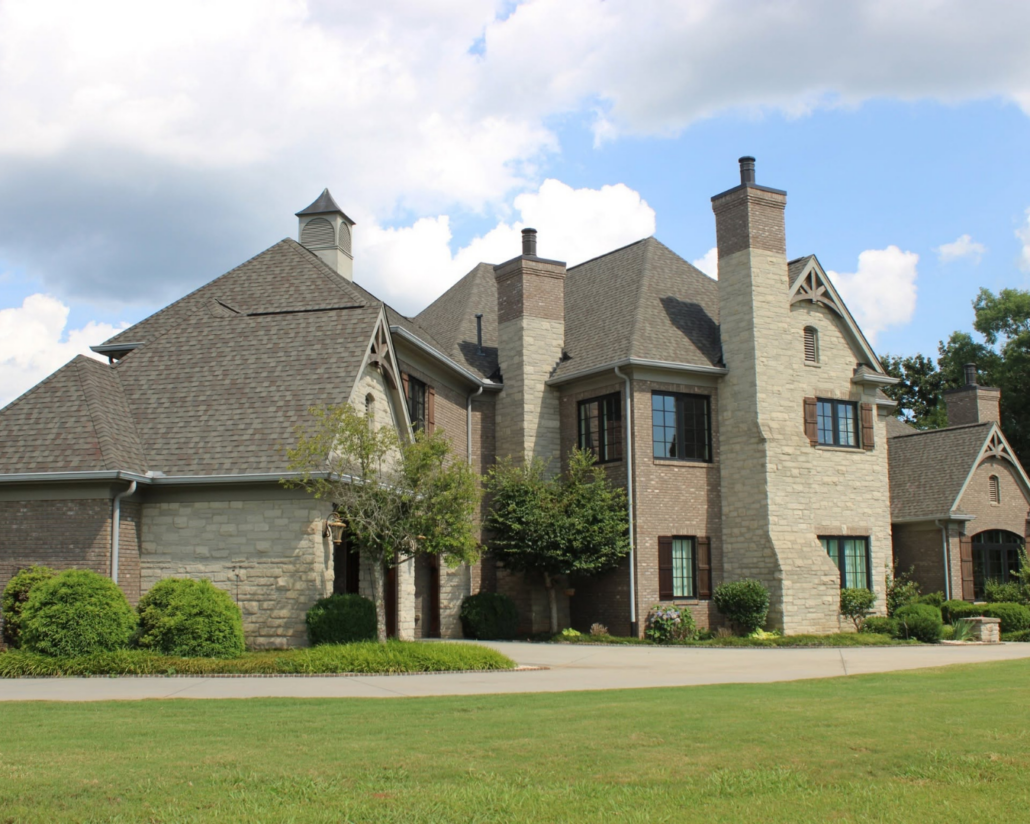
The timeline depends on the scope of the work, not just the size of the house. A home with multiple rooflines, steep slopes, dormers, or several chimneys may require more time than a similarly sized home with a simpler roof design.
Here’s a general overview:
- Small, straightforward roof: May be completed in one day.
- Average-sized residential roof: Often takes one to three days.
- Large or complex roof: May take several days or longer.
- Roof requiring significant structural repairs: Additional time may be needed to address damaged decking or other underlying issues.
These are general estimates, not guaranteed schedules. Your roofing contractor can provide a more accurate timeline after evaluating your roof and determining the work involved.
It’s also worth remembering that the installation itself is only part of the process. Scheduling, material delivery, weather delays, and any necessary repairs can affect the overall time from approval to completion.
What Happens During a Roof Replacement?
Understanding the steps involved can help you see why some projects take longer than others.
- Preparation and Material Delivery
Before work begins, the roofing contractor coordinates materials, equipment, and scheduling. Homeowners may also need to prepare the property by moving vehicles, securing outdoor belongings, and making arrangements for pets.
Having materials ready and the work area accessible helps the crew get started efficiently.
- Removing the Old Roofing Materials
For a full replacement, the crew typically removes the existing shingles and underlayment as specified in the project scope. Removing the old materials allows the contractor to inspect the roof decking beneath them.
This stage can generate considerable debris, so crews generally use protective coverings around the home and designated areas for collecting discarded materials.
Some projects may involve more than one existing roofing layer, which can increase removal time and labor.
- Inspecting the Roof Decking
Once the old roofing materials are removed, the contractor can examine the underlying decking for signs of moisture damage, deterioration, or other issues.
If damaged sections need to be replaced, that work must be completed before the new roofing system is installed.
This is one reason a replacement can take longer than originally anticipated. Problems hidden beneath the old shingles may not be fully apparent until removal begins.
- Installing the New Roofing System
After the roof deck is ready, the crew installs the appropriate underlayment, flashing, shingles, and other components included in the roofing system.
Proper installation matters just as much as speed. Each component must be installed according to the applicable requirements and manufacturer instructions to help protect the home from water intrusion.
Features such as chimneys, skylights, valleys, and multiple roof slopes can add time because these areas require careful attention to detail.
- Cleanup and Final Inspection
The project isn’t finished when the last shingle is installed.
The crew should remove roofing debris, clean up the work area, and check for leftover materials and nails around the property. The contractor should also inspect the completed work to confirm that the installation meets the project’s requirements.
Before considering the job complete, homeowners should understand any applicable workmanship or manufacturer warranties and receive information about caring for their new roof.
What Can Make a Roof Replacement Take Longer?
Even when a project seems straightforward, several factors can affect the schedule.
Roof Size and Design
A larger roof generally requires more materials and labor. However, square footage isn’t the only consideration.
Steep slopes, multiple roof sections, dormers, valleys, and complex architectural features can make installation more involved. Roofs with numerous penetrations or difficult access may also require additional time.
Hidden Damage Beneath the Shingles
The condition of the existing roof plays a significant role in the replacement timeline.
If the contractor finds deteriorated decking or other damage during tear-off, those areas may need repairs before installation can continue. The extent of the damage determines how much additional work is required.
Roofing Materials
Asphalt shingles are commonly used on residential homes and can often be installed relatively quickly. Other roofing systems may require different preparation, installation methods, specialized equipment, or additional labor.
Material availability can also affect the overall project schedule, particularly if a specific product needs to be ordered.
Weather Conditions
Weather is especially important in Upstate South Carolina, where rain and thunderstorms can interrupt roofing work.
Roofing materials and exposed decking need appropriate protection from moisture during installation. If conditions become unsafe or rain threatens the work area, the crew may need to pause until it is safe to continue.
A delay caused by weather can be frustrating, but protecting the home and ensuring a proper installation are more important than finishing on an arbitrary deadline.
Can You Stay Home During a Roof Replacement?
In most cases, homeowners can remain in their homes while the roof is being replaced. However, the experience can be noisy and disruptive.
Removing old shingles and installing new materials creates repeated hammering, movement, and vibrations. If you work from home, have young children, or care for pets that are sensitive to noise, it may be worth planning ahead.
Before installation day, consider these preparations:
- Move vehicles away from the house and work areas.
- Bring in or secure patio furniture, decorations, and other outdoor belongings.
- Keep children and pets away from the work zone.
- Protect fragile items on shelves or walls if you are concerned about vibrations.
- Ask your contractor where workers will need access and whether any special arrangements are necessary.
Your roofing contractor can also explain what to expect during the workday and how the crew will protect landscaping and surrounding areas.
Does a Roof Replacement Take Longer If Insurance Is Involved?
The physical installation may take a similar amount of time whether you pay directly or have an insurance claim, but the overall process can be different.
When a roof replacement involves an insurance claim, additional steps may include documenting the damage, arranging inspections, reviewing the insurer’s determination, and coordinating the approved scope of work.
These steps can add time before installation begins. Material selection, availability, and scheduling can affect the start date as well.
If your roof has been damaged by a storm, it’s helpful to understand the process and address any immediate concerns about water intrusion while the claim is being reviewed. Turn Key Roofing provides roof repair services and insurance claim assistance to help homeowners understand their roofing needs and available next steps.
When Is the Best Time to Replace Your Roof in Upstate South Carolina?
Roof replacements can take place throughout much of the year, provided conditions are suitable for the roofing materials and installation process.
Spring and fall can offer opportunities to schedule projects before or after the hottest summer weather. However, there is no single season that guarantees a faster installation. Rain, temperature requirements, contractor availability, and material supply can all affect scheduling.
Most importantly, don’t assume you should wait for a more convenient season if your roof has an active leak or significant damage. Delaying necessary repairs can allow water intrusion to worsen.
A professional inspection can help determine whether your roof needs immediate attention or whether replacement can be planned around your schedule.
Get a Clear Timeline for Your Roof Replacement
A roof replacement doesn’t have to mean weeks of construction, but the actual timeline depends on your home’s roof, the materials involved, and any repairs needed along the way. Many residential projects can be completed in one to three days, while more complex jobs may require additional time.
The best way to understand your project’s schedule is to have your roof evaluated by a qualified contractor who can explain the scope of work and identify potential complications.
Turn Key Roofing provides residential roofing services throughout the Upstate, with a focus on quality workmanship, honest recommendations, and responsive customer care.
Ready to find out what your roof needs and how long replacement could take? Contact Turn Key Roofing to schedule a roof inspection and request an estimate.