What Does Roof Flashing Actually Do? And Why Does It Fail?
Your roof is made up of more than shingles. Beneath and around those shingles are several components that work together to keep water out of your home. One of the most important is roof flashing.
Flashing might not be the first thing you think about when it comes to roof maintenance, but it plays a major role in preventing leaks. When it becomes damaged, loose, or improperly installed, water can find its way into places it shouldn’t.
For homeowners in Upstate South Carolina, where heavy rain, high winds, and changing temperatures can put roofing materials to the test, understanding how flashing works can help you recognize potential problems before they lead to more extensive damage.
What Is Roof Flashing?
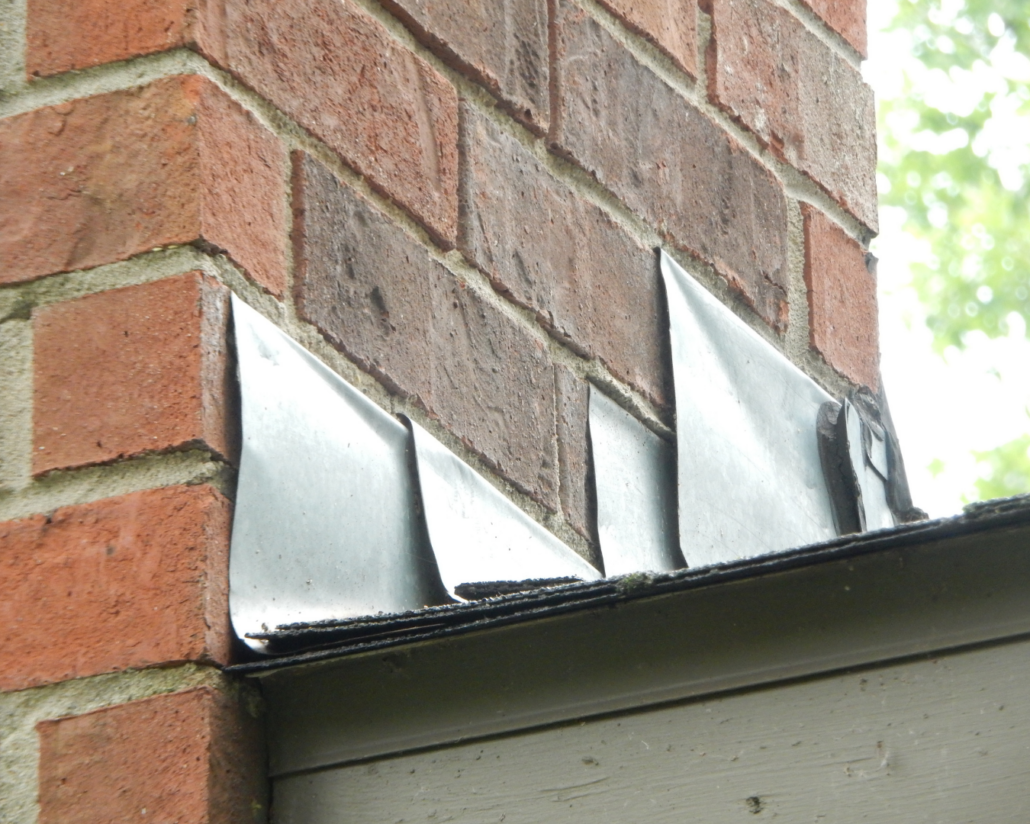
Roof flashing is a thin, water-resistant material, typically made from metal, installed at joints and transitions where water is more likely to enter a roofing system.
Think about where your roof meets a chimney, where shingles meet a wall, or where a pipe extends through the roof. These areas interrupt the roof’s otherwise continuous surface, creating potential entry points for water.
Shingles help shed rain, but they cannot protect every seam and connection on their own. Flashing helps direct water away from these vulnerable areas and toward the roof’s drainage system.
Without properly installed and maintained flashing, even a roof with relatively new shingles can develop leaks.
Where Is Flashing Located on Your Roof?
You might not notice flashing from the ground, but it serves several important functions throughout your roofing system.
Around Chimneys
The area where a chimney meets the roof is particularly vulnerable to leaks. Flashing helps seal this connection and directs rainwater away from the chimney base. Improper installation, deteriorated sealant, or damaged flashing can allow water to enter the roof structure.
Around Roof Vents and Pipes
Plumbing vents and other roof penetrations create openings through the roofing materials. Flashing components, often combined with specialized boots or collars, help seal these areas against water intrusion.
As rubber components age, they can crack or deteriorate, creating an opening for water to enter.
Along Roof Valleys
Roof valleys are the areas where two sloping roof sections meet. Because water flows toward these low points, valleys handle a significant amount of runoff during heavy rain.
Flashing helps protect these areas and directs water down the roof. Debris buildup, damaged materials, or improper installation can interfere with drainage and contribute to leaks.
Where the Roof Meets a Wall
Some roofs meet vertical walls, siding, or other sections of a building. Step flashing and other flashing components help keep water from getting behind these connections.
These areas deserve particular attention because water can travel behind siding or into wall cavities before a homeowner notices a problem inside.
Around Skylights
Skylights create another opening in the roof that requires careful waterproofing. Flashing helps channel water around the skylight and down the roof rather than allowing it to collect around the frame.
If the flashing becomes damaged or was not installed correctly, water may begin entering the surrounding roof structure.
Why Does Roof Flashing Fail?
Flashing is designed to protect vulnerable parts of your roof, but it is not immune to wear and damage. Several issues can compromise its ability to keep water out.
- Aging and Deterioration
Roof flashing is exposed to sunlight, rain, temperature changes, and other environmental conditions year after year. Over time, some materials can corrode, crack, loosen, or deteriorate.
Sealants used around certain flashing details can also break down, leaving gaps that allow water to enter.
- Improper Installation
Flashing must be installed correctly to direct water away from vulnerable connections. If it is poorly positioned, inadequately secured, or improperly integrated with the surrounding roofing materials, water can work its way underneath.
In some cases, a roof may look perfectly fine from the ground while an installation issue remains hidden around a chimney, wall, or roof penetration.
- High Winds and Severe Weather
Strong winds can loosen roofing components, lift shingles, and damage flashing. Wind-driven rain can then push water into gaps that might not leak during an ordinary rainfall.
After severe weather in Upstate South Carolina, a roof inspection can help identify damage around flashing and other vulnerable areas, even when no shingles appear to be missing.
- Expanding and Contracting Materials
Roofing materials expand and contract as temperatures change. Repeated movement can place stress on flashing, fasteners, joints, and sealants.
Over time, this movement may contribute to loose connections or openings where water can enter.
- Previous Repairs That Don’t Address the Root Problem
Sometimes, a homeowner notices a leak and applies sealant to the visible area. While sealant can be appropriate for certain repairs, it is not a universal solution for flashing problems.
If the underlying issue involves improper installation, deteriorated materials, or damaged components, applying more sealant may only provide a temporary fix.
The key is identifying where water is entering and correcting the cause rather than treating only the visible symptom.
What Are the Signs of Damaged Roof Flashing?
Flashing problems are not always easy to spot from the ground. However, a few warning signs may indicate that something needs attention.
Watch for:
- Water stains on ceilings or walls: Discoloration may indicate that moisture is entering around a roof connection.
- Damp spots in the attic: Wet insulation, moisture on roof decking, or water marks near a chimney or vent can point to a leak.
- Visible gaps or loose metal: If flashing appears lifted, bent, or separated from the surrounding materials, it may no longer be directing water properly.
- Peeling paint or bubbling drywall: Moisture entering through the roof can eventually affect interior finishes.
- Recurring leaks: If the same area leaks after multiple repairs, flashing or another concealed roofing component may be contributing to the problem.
- Musty odors: Persistent moisture in an attic or wall cavity can produce odors before obvious water damage appears.
These symptoms do not automatically mean the flashing is responsible. Roof leaks can travel along framing and decking before becoming visible indoors, so the source may be some distance from the stain or damp spot.
For more warning signs to watch for, read our guide on how to identify storm damage on your roof.
Can Damaged Roof Flashing Be Repaired, or Does It Need to Be Replaced?
The answer depends on the condition of the flashing and the cause of the problem.
If the damage is limited, a professional may be able to secure a loose section, replace a deteriorated seal, or repair a localized area. If the flashing is badly corroded, improperly installed, or damaged beyond repair, replacement may be the more reliable option.
The surrounding roofing materials matter, too. If shingles, roof decking, or other components have also deteriorated, those issues may need to be addressed as part of the repair.
The goal isn’t simply to stop the leak today. It’s to correct the problem so water can drain away from the roof properly.
A professional inspection can help determine the extent of the damage and whether a targeted repair is appropriate.
Why Flashing Problems Shouldn’t Be Ignored
A small opening around flashing may not seem like an urgent concern, especially if water only enters during heavy rain. However, repeated moisture exposure can cause damage well beyond the original entry point.
Depending on the location and severity of the leak, ongoing water intrusion can lead to:
- Damaged roof decking and wood framing
- Wet or deteriorated attic insulation
- Ceiling and drywall damage
- Interior staining and peeling paint
- Conditions that support mold growth
- More extensive repairs if the problem continues
A leak that appears minor inside your home may have been allowing moisture into concealed areas for some time. Addressing the cause early can help limit the damage.
How Can You Prevent Roof Flashing Problems?
Flashing does not need to be replaced simply because it has been on your roof for a certain number of years. Its condition, installation, surrounding materials, and exposure to weather all play a role.
You can help protect your roof by taking a few practical steps:
Schedule periodic roof inspections. A professional can examine flashing around chimneys, vents, valleys, skylights, and wall connections for signs of deterioration or improper installation.
Check your attic for signs of moisture. If it is safe to access, look for damp insulation, water stains, or discoloration after heavy rain. Avoid entering areas with unsafe flooring or other hazards.
Pay attention after severe weather. High winds and wind-driven rain can expose weaknesses around roof connections. If you suspect damage, arrange an inspection rather than waiting for an interior leak.
Address recurring leaks promptly. Repeatedly treating a water stain without identifying the source can allow the underlying issue to continue.
Turn Key Roofing also offers roof repair services throughout the Upstate to help homeowners address roofing problems before they become more extensive.
Protect Your Roof From the Details That Matter
Roof flashing may not be as visible as shingles, but it performs an essential job. By protecting the joints, edges, and openings in your roofing system, it helps keep rainwater moving away from your home.
When flashing fails, the resulting leak can be difficult to trace and may cause damage long before it becomes obvious inside. Knowing what to watch for and having questionable areas inspected can help you address problems before they grow.
If you’ve noticed water stains, recurring leaks, or signs of damage around your roof, Turn Key Roofing can help you determine what is happening and what steps may be needed.
Contact Turn Key Roofing to schedule a roof inspection and get straightforward recommendations for protecting your home.